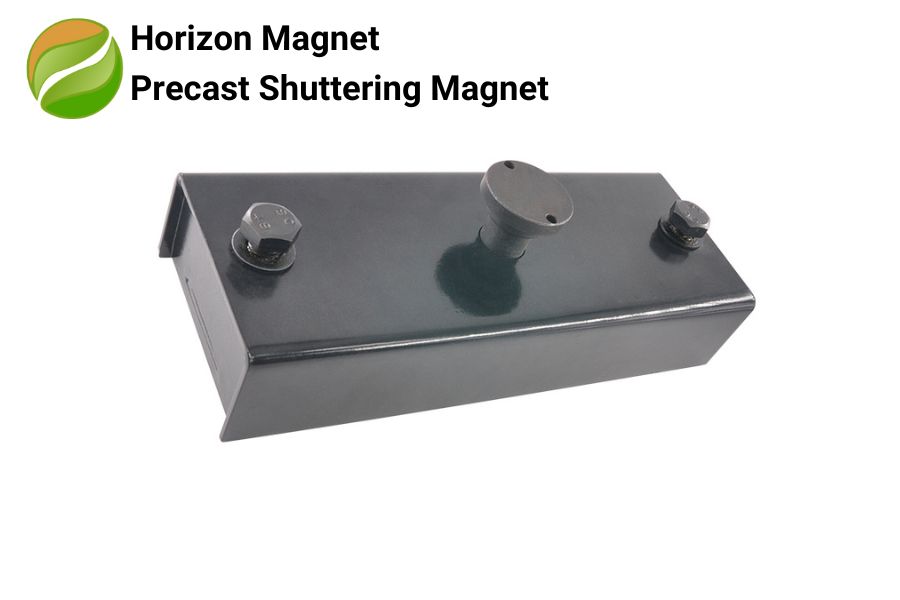





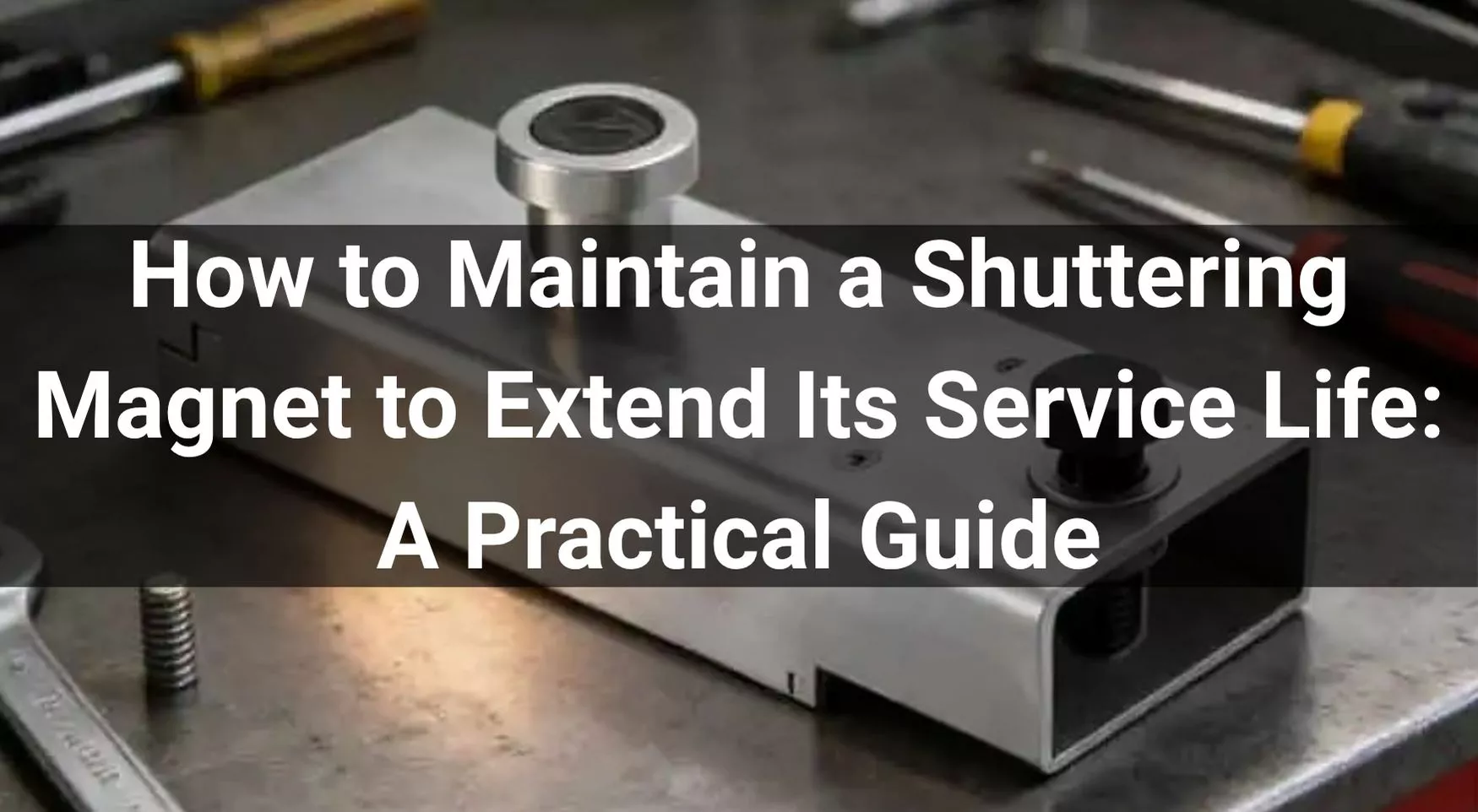
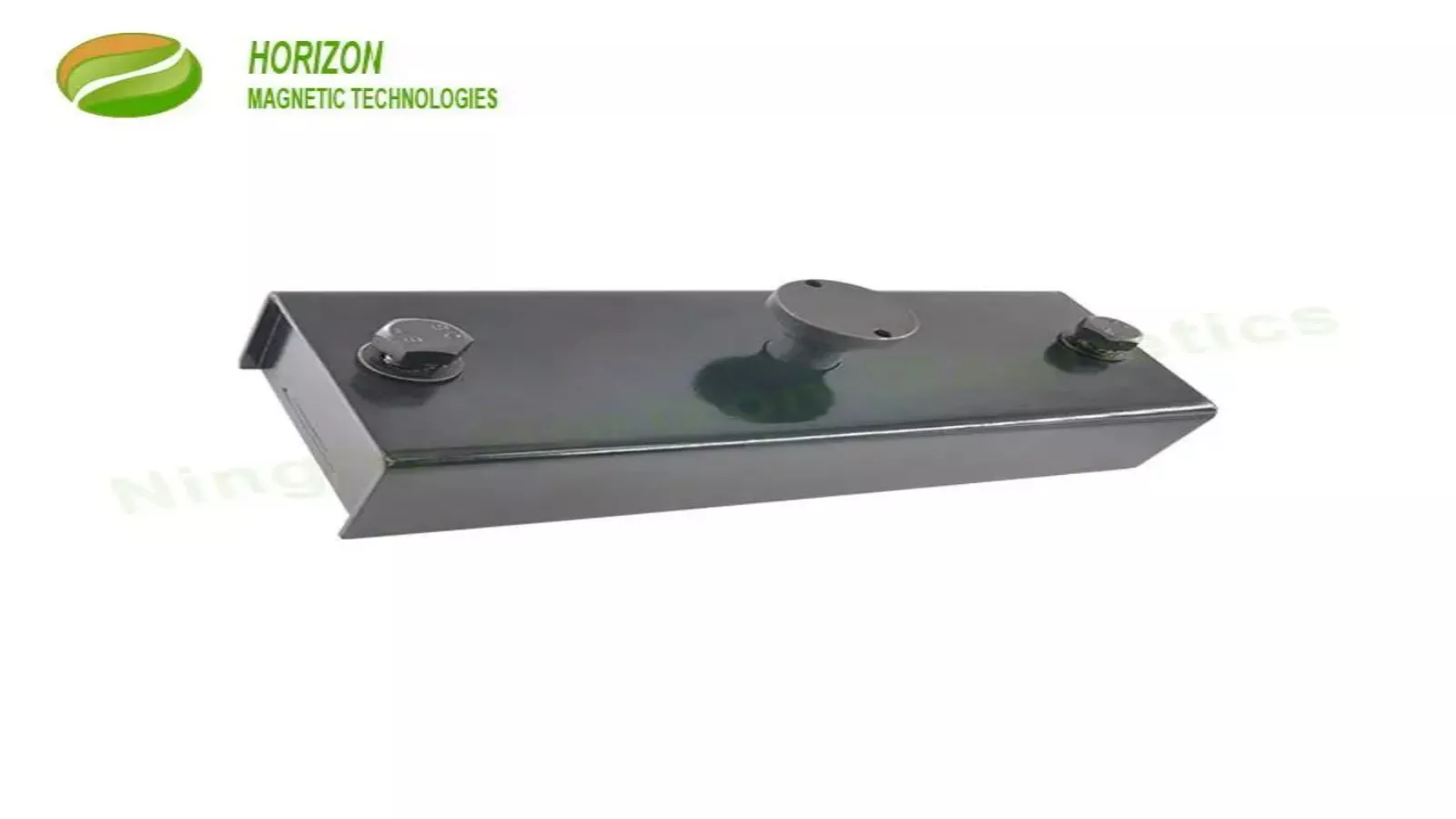
In precast concrete production, shuttering magnets are widely used to secure formwork quickly and accurately without drilling, welding, or additional fixing methods. With strong magnetic holding force and easy operation, they have become an important tool for improving production efficiency in precast plants.
However, even high-quality shuttering magnets are exposed to harsh working conditions every day. Concrete residue, vibration, impact, moisture, and improper handling can gradually affect their performance. A magnet that is not properly maintained may lose efficiency, create production delays, and increase replacement costs.
For precast concrete manufacturers, regular maintenance is a simple but effective way to protect their investment. Proper care not only helps maintain magnetic force but also ensures more stable formwork positioning during the casting process.
This guide explains the main factors that affect shuttering magnet service life and provides practical maintenance methods to help manufacturers keep their magnetic systems working reliably for years.
Table of Contents
A shuttering magnet plays a critical role in precast concrete production. It holds steel side forms firmly in position during concrete pouring and vibration processes, ensuring that finished components meet required dimensions and quality standards.
Although shuttering magnets are designed for industrial applications, their performance depends heavily on daily usage conditions.
Maintain Stable Magnetic Performance
The effectiveness of a shuttering magnet depends on the contact between the magnetic surface and the steel formwork table. Dust, concrete residue, or surface damage can create gaps that reduce the actual holding force.
Keeping the contact surface clean allows the magnet to work at its full capacity.
Reduce Unexpected Production Interruptions
In a busy precast factory, a damaged or weak magnet can affect the entire production workflow. Formwork movement during vibration may lead to inaccurate concrete shapes, rework, or production delays.
Routine inspection helps identify potential problems before they affect manufacturing operations.
Extend Equipment Lifespan
Shuttering magnets are designed for repeated use, but improper handling can shorten their service life. Simple maintenance practices, such as cleaning, correct storage, and careful operation, can significantly reduce unnecessary replacement costs.
Understanding the common causes of performance decline helps manufacturers prevent problems before they happen.
Concrete is one of the biggest challenges in precast environments. During daily production, small amounts of cement paste and concrete particles can accumulate around the magnetic surface.
If this residue is not removed regularly, it may:
For factories with high production volumes, cleaning should become part of the regular operating routine.
A shuttering magnet is built for demanding industrial use, but it is not designed to withstand unnecessary impact.
Common handling mistakes include:
These actions may damage the external housing or internal components, reducing long-term reliability.
Training operators on proper handling procedures is one of the easiest ways to avoid avoidable damage.
Most permanent magnets have specific temperature limits. Continuous exposure to high temperatures may gradually affect magnetic performance.
Possible sources of excessive heat include:
When using shuttering magnets in special environments, manufacturers should select products suitable for the required working conditions.
Although many shuttering magnets are designed with protective housings, long-term exposure to moisture can still cause problems, especially if the equipment is stored improperly.
Poor storage conditions may result in:
When magnets are not in use, keeping them in a clean and dry area helps maintain their condition
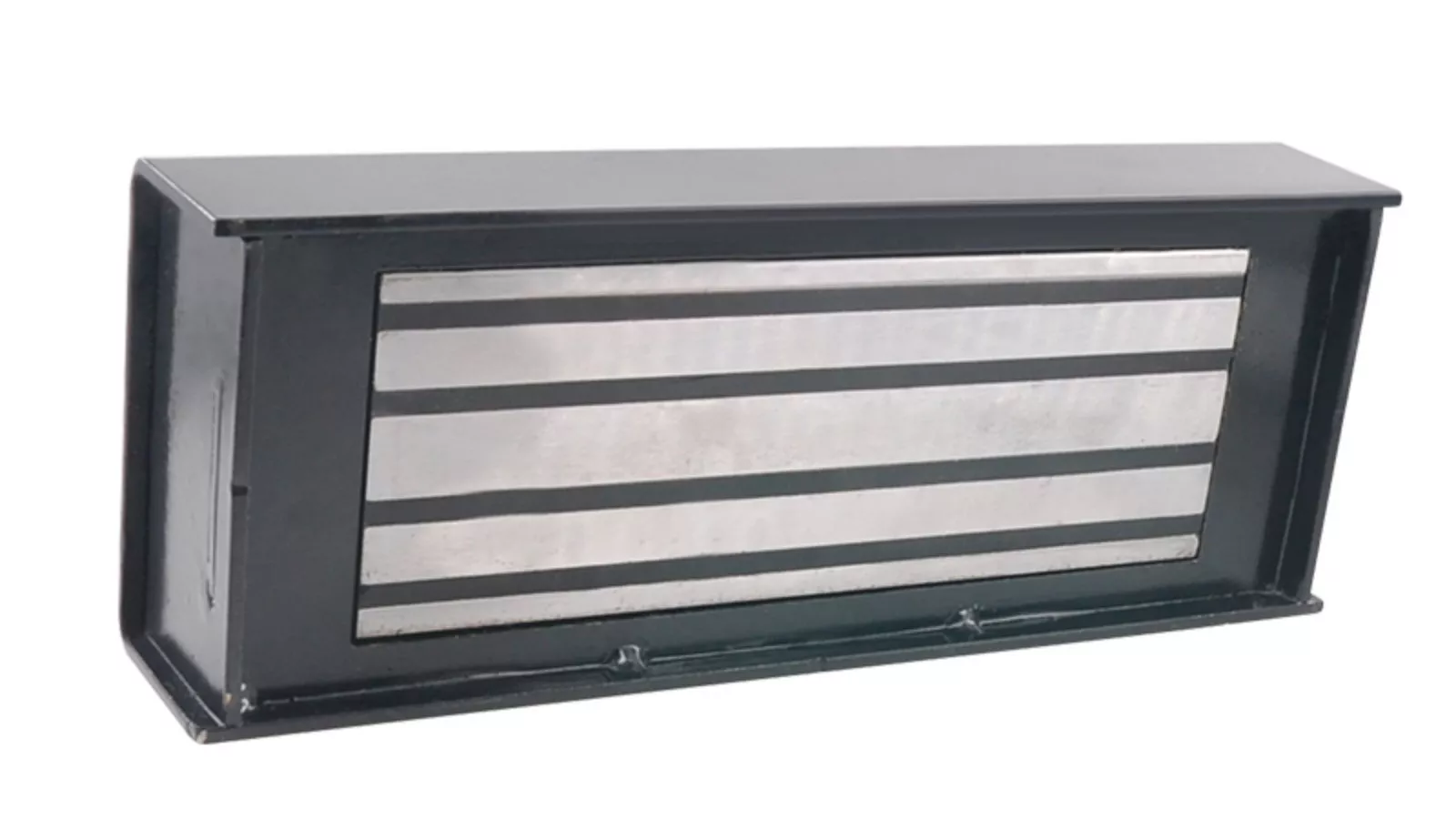
The simplest maintenance step is regular cleaning.
After each production cycle, operators should remove:
For hardened concrete, use appropriate tools carefully. Avoid aggressive methods that may damage the protective surface of the magnet.
A clean magnetic surface ensures better contact with the steel platform and helps maintain consistent holding performance.
A quick inspection before production can prevent many problems
Operators should check:
Small issues are usually easier and less expensive to fix before they develop into major failures.
Proper operation habits have a direct influence on shuttering magnet lifespan.
Recommended practices include:
Many shuttering magnet problems are caused by incorrect operation rather than product quality issues.
For manufacturers using shuttering magnets continuously, regular performance checks are recommended.
Signs that a magnet may require inspection include:
A reduction in magnetic force does not always mean immediate replacement is required. In many cases, cleaning, adjustment, or professional inspection can solve the issue.
Proper storage is especially important for factories with seasonal production schedules or equipment that is not used frequently.
Before storage:
Good storage practices help prevent unnecessary wear and keep the magnet ready for future use.
Possible causes:
Recommended solutions:
In many cases, reduced holding force is caused by poor contact rather than a failure of the magnetic system itself.
Possible causes:
Recommended solutions:
The switching mechanism should operate smoothly without excessive pressure.
Possible causes:
Recommended solutions:
A professional assessment can help determine whether repair or replacement is the better option.
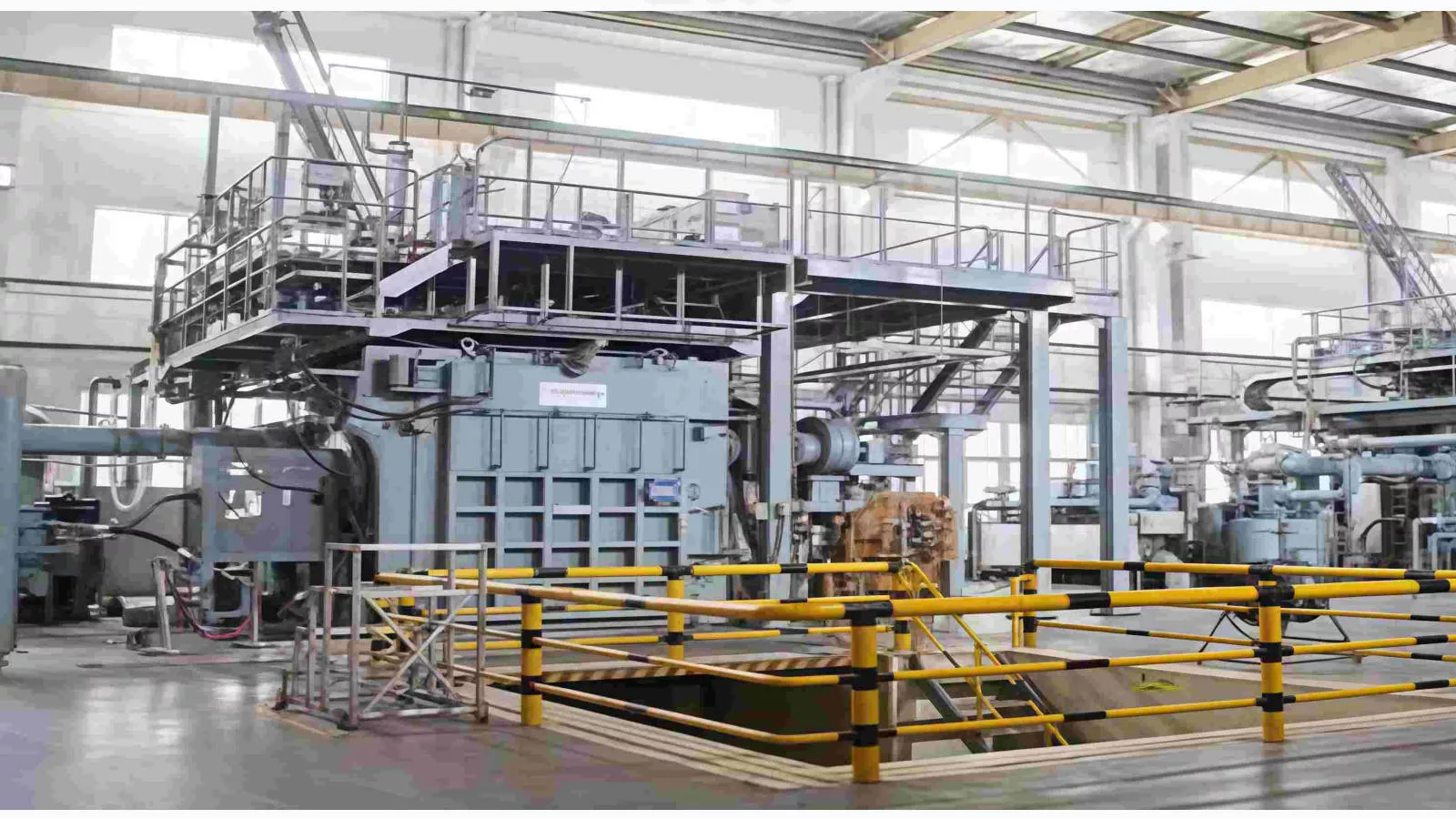
For companies producing precast concrete components every day, maintenance should be integrated into normal production procedures.
Daily Maintenance
Weekly Inspection
Regular Performance Evaluation
A consistent maintenance routine reduces downtime and helps maintain stable production quality.
Even with proper maintenance, every industrial tool eventually reaches the end of its service life.

However, many shuttering magnets can continue operating effectively for years when they are properly maintained and used under suitable conditions.
Choosing a reliable manufacturer from the beginning is also an important factor. High-quality materials, accurate manufacturing processes, and proper design can significantly influence long-term performance.
Proper maintenance is essential for extending the service life of a shuttering magnet and maintaining stable performance in precast concrete production. Regular cleaning, careful handling, and routine inspections can help reduce failures, improve efficiency, and minimize replacement costs.
However, long-term performance also depends on choosing a reliable shuttering magnet supplier. High-quality materials, precise manufacturing, and professional support all contribute to consistent performance in demanding production environments.
Horizon Magnetics specializes in manufacturing high-performance shuttering magnets and customized magnetic solutions for precast concrete applications. With extensive manufacturing experience and global service capabilities, Horizon helps customers improve production efficiency with reliable magnetic products.
Contact Horizon Magnetics today to explore durable shuttering magnet solutions tailored to your precast concrete needs.


Compare 10 neodymium magnet manufacturers and magnetic solution providers. Explore magnet grades, product capabilities, custom solutions, and key buying factors to find the right partner for your application.

Discover the top 10 magnet manufacturersfor US Buyers 2026, including Horizon Magnet. Compare specialties, certifications, and find your ideal supplier today!
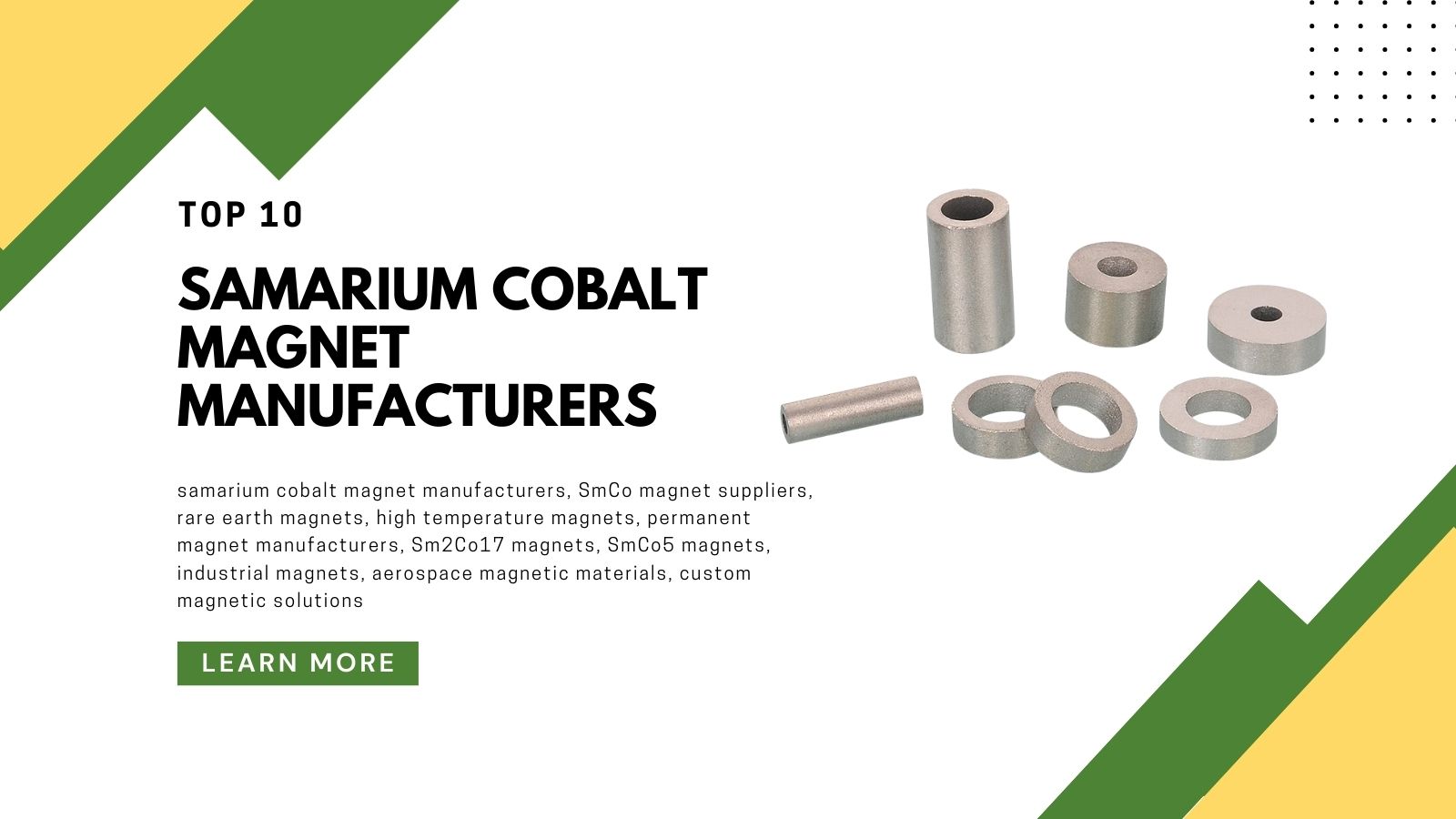
Discover the world's leading Samarium Cobalt magnet manufacturers. Our expert guide evaluates top SmCo producers based on manufacturing capabilities, quality certifications, and industry applications. Find reliable suppliers for high-temperature, high-performance magnetic solutions.







.png)
.png)